Verified
I took the capsules four times a day for a urinary infection. The burning eased after about two days, but the reminder alarms were necessary because I nearly missed the afternoon dose.
20 Nov 2024

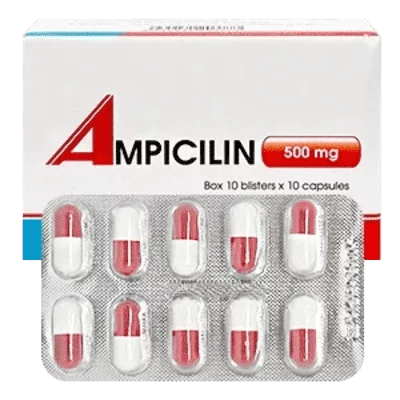
Ampicillin is an oral aminopenicillin antibiotic for people with susceptible bacterial infections when an oral penicillin is appropriate. The dose is stated on the pack — follow the leaflet. It helps clear infection-causing bacteria by blocking bacterial cell-wall formation.
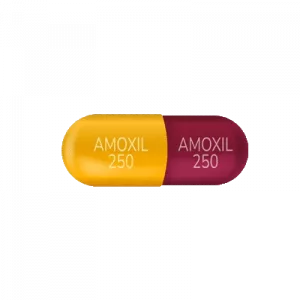
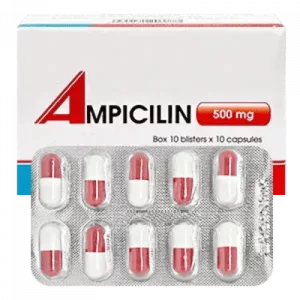
Ampicillin is an oral aminopenicillin antibiotic supplied as capsules. It is used for susceptible bacterial infections when an oral penicillin is clinically appropriate. Ampicillin belongs to the aminopenicillin group of beta-lactam antibiotics.
The dose is stated on the pack — follow the leaflet. The product is supplied as capsules, with 100 capsules per box.
Ampicillin belongs to the aminopenicillin group of beta-lactam antibiotics. Beta-lactams damage the protective wall that bacteria need to survive and multiply.
Ampicillin does not treat colds, flu, viral sore throat, or most viral coughs. Taking an antibiotic when bacteria are not the cause adds side effects without providing benefit and contributes to antimicrobial resistance. WHO places ampicillin in the Access group of antibiotics, meaning it is a preferred option for many common bacterial infections when the organism is susceptible. [1]
The prescribed regimen depends on the infection site, bacterial susceptibility, kidney function, age, and severity of illness. The dose is stated on the pack — follow the leaflet. More serious infections may require injectable treatment rather than capsules.
Take capsules on an empty stomach, ideally 30–60 minutes before food or at least two hours after eating. Food can reduce the amount of ampicillin absorbed into the bloodstream.
The United States National Library of Medicine prescribing information states that oral ampicillin is best absorbed when taken away from meals and that dose adjustments may be needed in renal impairment. [2]
Ampicillin reaches bacteria through the bloodstream and binds to proteins involved in building peptidoglycan, a structural material in the bacterial cell wall. Without a stable cell wall, susceptible bacteria break down and die.
Ampicillin has activity against several Gram-positive organisms and selected Gram-negative bacteria. Its activity can be reduced when bacteria produce beta-lactamase enzymes, which break down penicillin-type antibiotics. A laboratory culture and sensitivity test can identify the bacterium and show whether ampicillin is likely to work.
This action makes ampicillin useful against selected infections caused by susceptible bacteria, including some respiratory, urinary, gastrointestinal, skin, and soft-tissue infections.
Ampicillin is selected when its antibacterial spectrum fits the infection and laboratory findings. The choice is not based on which antibiotic feels stronger; it is based on the likely organism, infection site, allergy history, kidney function, and local resistance patterns.
| Active ingredient | Main distinction | Typical clinical use |
|---|---|---|
| Ampicillin | Aminopenicillin with oral and injectable forms | Susceptible respiratory, urinary, gastrointestinal, and soft-tissue infections |
| Amoxicillin | Aminopenicillin with more convenient oral absorption | Common outpatient bacterial infections where susceptibility is expected |
| Phenoxymethylpenicillin | Narrower-spectrum penicillin | Selected streptococcal throat and skin infections |
Amoxicillin is often easier to schedule because food has less effect on absorption and dosing can be less frequent. Ampicillin remains useful when the infecting organism is known to be susceptible or when a clinician chooses it for a specific indication.
A narrower-spectrum penicillin may be preferred when it covers the proven bacterium adequately. This limits unnecessary pressure on other bacteria in the body. Broader coverage is not automatically better.
Several medicines can alter ampicillin treatment. Probenecid may increase ampicillin concentrations by reducing kidney elimination. Allopurinol may raise the chance of rash. Methotrexate clearance can be reduced by penicillins, increasing methotrexate toxicity risk. Oral anticoagulants such as warfarin may need closer INR monitoring when an antibiotic course begins or ends.
This medication is NOT for you if you have had an immediate serious allergic reaction to ampicillin, another penicillin, or a beta-lactam antibiotic. Immediate reactions include anaphylaxis, breathing difficulty, widespread hives, facial swelling, or collapse after a previous dose.
Most people tolerate ampicillin without serious problems. Digestive effects are among the most common: nausea, loose stools, abdominal discomfort, and diarrhoea can occur because antibiotics alter normal intestinal bacteria.
Skin reactions can also occur. A mild rash may develop, but a rapidly spreading rash, facial swelling, wheezing, faintness, or trouble breathing can indicate a serious allergic reaction and needs urgent medical care.
Seek urgent assessment for:
Ampicillin can cause a prominent rash in people with infectious mononucleosis caused by Epstein–Barr virus. This rash does not always prove a lifelong penicillin allergy, yet it must be documented and assessed before future beta-lactam use.
A common mistake is taking doses with or just after a meal. This can lower absorption and leave less medicine available to fight the infection.
Another error is stopping after two or three days because symptoms improve. Feeling better does not prove the bacteria have been fully eradicated. Leftover bacteria may return, sometimes with more difficult-to-treat resistance.
Some people use a previous antibiotic prescription for a new illness. Similar symptoms can have different causes. A burning sensation during urination, for example, may be caused by a resistant bacterium, a sexually transmitted infection, a stone, or irritation rather than a condition ampicillin can treat.
People also forget to report rashes that occurred during older antibiotic courses. Details matter: an isolated mild rash, hives, breathing trouble, and blistering skin reactions carry very different implications.
In clinical practice, clinicians do not choose ampicillin solely from symptoms when a culture can be obtained. Urine, sputum, wound, blood, or stool testing may identify the organism and prevent treatment with an antibiotic that will not cover it.
Doctors also look at the pattern of illness. Fever that persists, worsening local pain, spreading redness, shortness of breath, dehydration, or confusion may mean that capsules are not enough for the severity of infection. A changing clinical picture can require a different antibiotic, a different route of treatment, or investigation for a complication.
The key expectation is gradual improvement, not instant symptom relief. Pain or fever may begin to settle before the full infection has cleared. Continuing the prescribed course protects against partial treatment and relapse.
EMA’s antibiotic stewardship work supports using antibiotics only when they are clinically indicated and selecting the narrowest appropriate agent for the suspected or confirmed infection. [3]
No. Ampicillin acts against susceptible bacteria, while colds and influenza are caused by viruses. WHO guidance published in 2023 identifies inappropriate antibiotic use as a driver of antimicrobial resistance, so antibiotics should be reserved for bacterial infections or situations where a clinician has identified a clear bacterial cause. [4] A viral illness may still need treatment for fever, congestion, dehydration, or complications, but ampicillin does not kill respiratory viruses.
Ampicillin begins circulating after absorption, but symptom improvement depends on the infection and the bacterium involved. Many uncomplicated bacterial infections show some improvement within 48–72 hours when the organism is susceptible and doses are taken correctly. The National Library of Medicine prescribing information from 2024 supports regular dose spacing because beta-lactam antibiotics work best when drug concentrations are maintained through the day. Persistent fever or worsening symptoms after several days needs reassessment.
Ampicillin is usually taken on an empty stomach because food can reduce absorption. A practical schedule is 30–60 minutes before meals or at least two hours after food. EMA antimicrobial guidance from 2019 supports using antibiotics in a way that achieves adequate exposure while avoiding unnecessary treatment failure. If nausea is troublesome, a clinician can decide whether the timing plan needs adjustment.
Take the missed capsule as soon as you remember, unless it is nearly time for the next scheduled dose. If the next dose is close, skip the missed one and continue with the regular timetable. Do not double the dose. WHO antibiotic stewardship materials published in 2023 stress that correct dosing and duration are central to successful antibacterial treatment.
Alcohol does not create the same direct reaction seen with a few specific antibiotics, but it can worsen nausea, stomach upset, dizziness, dehydration, and poor sleep while recovering from an infection. Avoiding alcohol during an acute infection makes it easier to distinguish medicine side effects from illness symptoms. WHO guidance on antimicrobial use published in 2023 focuses on completing treatment correctly and monitoring clinical response. If vomiting occurs after a dose, seek specific advice rather than automatically repeating the capsule.
Your order will be securely packed and shipped within 24 hours. This is exactly what your package will look like (images of an actual item sent). It has the size and look of a regular private letter (24x11x0.7 cm) and its contents cannot be seen.