Verified
I was treated for a dental infection and the throbbing reduced after two days. Taking the capsule after breakfast stopped the nausea I felt after the first dose. I finished the course as prescribed.
10 Jun 2025

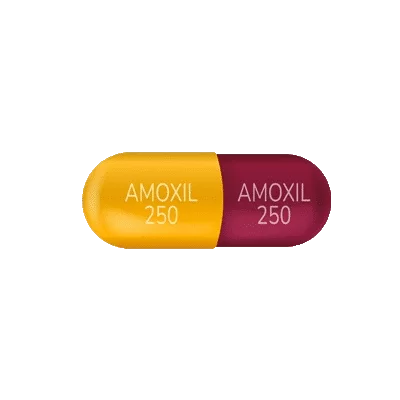
Amoxil 250 is an oral antibiotic containing amoxicillin for adults and children with susceptible bacterial infections. It helps clear infection by stopping bacteria from building a protective cell wall.
Amoxil 250 is an oral amoxicillin capsule used to treat susceptible bacterial infections. Amoxicillin belongs to the aminopenicillin group of beta-lactam antibiotics, a class also included in the WHO Access group of antibiotics because it remains a first-choice option for many common bacterial infections when used appropriately [1].
Amoxil contains amoxicillin. The dose is stated on the pack — follow the leaflet. Amoxicillin belongs to the aminopenicillin group of beta-lactam antibiotics, a class also included in the WHO Access group of antibiotics because it remains a first-choice option for many common bacterial infections when used appropriately [1].
The dose is stated on the pack — follow the leaflet. Dose frequency and treatment duration vary by infection, age, body weight, kidney function, and the bacteria being treated.
Use Amoxil exactly according to the prescribed directions:
The Medicines and Healthcare products Regulatory Agency describes amoxicillin as a beta-lactam antibiotic whose activity depends on maintaining sufficient concentrations for enough of the dosing interval [2]. That is why regularly spaced doses matter more than taking several capsules close together.
Amoxicillin enters susceptible bacteria and binds to proteins involved in building the bacterial cell wall. Without an intact wall, bacteria cannot survive normal internal pressure and break down.
This mechanism differs from antibiotics that block bacterial protein production, such as macrolides, or those that interfere with DNA replication, such as fluoroquinolones. Its benefit is a long history of use and targeted activity against many community-acquired infections. Its limitation is that some bacteria produce beta-lactamase enzymes, which can deactivate amoxicillin.
Amoxil may be prescribed for bacterial infections involving the ear, nose, throat, chest, urinary tract, skin, teeth, or certain gastrointestinal bacteria. The exact choice depends on the infection site, likely bacteria, allergy history, kidney function, and local resistance patterns.
Amoxicillin works against bacteria, not viruses. It will not shorten a cold, influenza, or most viral sore throats.
For infections such as acute sore throat, antibiotics are not automatically needed. NICE antimicrobial guidance supports antibiotic use when clinical assessment indicates a bacterial cause or a higher risk of complications, rather than for every sore throat [3].
Amoxil is chosen when amoxicillin is suitable for the suspected bacteria. The best antibiotic is not always the strongest one; it is the one that reaches the infection site and covers the likely organism without unnecessary broad-spectrum exposure.
| Option | Mechanism and role | When it may be selected |
|---|---|---|
| Amoxicillin | Beta-lactam antibiotic that disrupts bacterial cell-wall formation | Susceptible ear, throat, dental, chest, urinary, skin, or gastrointestinal infections |
| Amoxicillin with clavulanic acid | Adds beta-lactamase inhibition to amoxicillin | Suspected beta-lactamase-producing bacteria or specific infection patterns |
| Macrolide antibiotic | Blocks bacterial protein synthesis | Selected when penicillin allergy or bacterial susceptibility makes it appropriate |
Amoxicillin with clavulanic acid may cover more beta-lactamase-producing organisms, yet it also causes gastrointestinal adverse effects more often. Macrolides can be useful for some people with penicillin allergy, though they have a different interaction profile and may not cover the same bacteria.
Antibiotic selection should follow the diagnosed infection rather than a preference for a broader medicine. Unnecessary broad-spectrum treatment increases pressure for antimicrobial resistance.
Amoxil also needs clinical review in these situations:
Oral typhoid vaccine may be less reliable during antibiotic treatment because antibiotics can suppress the live vaccine strain. Hormonal contraception is not directly neutralised by amoxicillin, but vomiting or severe diarrhoea can reduce absorption of an oral contraceptive pill.
This is NOT for you if you have had an immediate, serious allergic reaction to amoxicillin, penicillin, or another beta-lactam antibiotic. Past reactions involving anaphylaxis, breathing difficulty, facial swelling, or widespread hives require a different antibiotic plan.
Most people tolerate amoxicillin without serious difficulty. Nausea, loose stools, mild diarrhoea, abdominal discomfort, and a mild skin rash are among the more frequent effects.
A mild stomach upset often improves when capsules are taken after food. Loose stools may settle after treatment ends. A persistent or severe rash needs medical assessment because it can represent allergy, a non-allergic reaction, or an infection-related rash.
Seek urgent medical care for:
The FDA prescribing information for amoxicillin records allergic reactions and antibiotic-associated colitis among important serious risks, even though they are far less common than mild digestive effects [4].
Several practical errors reduce the chance of a smooth treatment course.
A small but useful habit is to keep a written record of the antibiotic name, reason for use, dates taken, and any reaction. It gives clinicians more reliable information than trying to remember a medicine name during a future illness.
In clinical practice, doctors look for a match between the infection, the probable bacteria, and the antibiotic. A fever alone does not prove a bacterial illness. Examination findings, symptom duration, laboratory results, dental assessment, urine testing, or throat testing can change the choice of treatment. These findings also help clinicians decide whether antibiotic treatment is appropriate.
Doctors also ask about previous penicillin reactions in detail. A childhood report of a vague rash is different from documented anaphylaxis, and that distinction affects future antibiotic choices. They assess kidney function in older adults and people with chronic kidney disease because amoxicillin is primarily removed through the kidneys.
Improvement may begin within a few days when the bacteria are susceptible. Persistent high fever, worsening pain, spreading redness, breathlessness, or no improvement after the expected early treatment period warrants reassessment rather than adding extra capsules independently.
No. Influenza and common colds are caused by viruses, while Amoxil targets susceptible bacteria. The WHO’s 2022 AWaRe antibiotic book promotes using antibiotics only when a bacterial infection is likely or confirmed. Taking antibiotics for viral illness can cause side effects without treating the cause and contributes to antimicrobial resistance.
For a susceptible bacterial infection, symptoms such as pain, fever, or swelling may start easing within a few days. The MHRA product information for amoxicillin published in 2019 explains that response depends on bacterial susceptibility, infection severity, and adequate dosing. Worsening symptoms, new breathing difficulty, persistent fever, or no early improvement should prompt clinical reassessment. Do not compensate by taking more capsules than prescribed.
Yes, amoxicillin capsules can generally be taken with or without food. Taking a dose after a meal may reduce nausea or stomach discomfort for some people. The FDA's 2008 prescribing information has documented gastrointestinal effects among recognised reactions to amoxicillin. Food does not replace the need to space repeated doses correctly.
Take the missed capsule when you remember, unless the next scheduled dose is close. If it is close, skip the forgotten dose and return to the normal schedule. The WHO advised in its 2022 antibiotic stewardship materials that treatment adherence means following the intended regimen, not doubling doses after a delay. Double dosing can increase nausea, diarrhoea, and other adverse effects.
Yes. Amoxil is an aminopenicillin, so a history of immediate penicillin allergy may rule out its use. NAFDAC guidance published in 2023 recognises the importance of medicine safety reporting and accurate medication histories in clinical care. Tell the prescriber about the exact reaction you experienced, including hives, swelling, breathing problems, fainting, or a delayed rash. Severe reactions require urgent medical attention.
Amoxicillin can affect anticoagulant control in some people taking warfarin or related medicines. The FDA's 2008 prescribing information has included altered anticoagulation among clinically relevant concerns in amoxicillin prescribing information. A clinician may arrange closer INR monitoring during and shortly after treatment. Do not adjust warfarin or stop either medicine independently.
Yes. Mild loose stools can appear during treatment and settle after the course. Severe, persistent, watery, or bloody diarrhoea needs urgent assessment because antibiotic-associated colitis can occur even after treatment ends. NICE antimicrobial guidance published in 2018 supports careful review of new gastrointestinal symptoms after antibiotic exposure. Avoid delaying care if diarrhoea is accompanied by fever or severe abdominal pain.
Your order will be securely packed and shipped within 24 hours. This is exactly what your package will look like (images of an actual item sent). It has the size and look of a regular private letter (24x11x0.7 cm) and its contents cannot be seen.