Verified
I had attacks in my big toe several times a year. The first month was frustrating because I had another flare, but the attacks became less frequent after my dose was adjusted and my uric acid results improved.
3 Dec 2024

Allopurinol is a tablet medicine for adults with gout, uric-acid kidney stones, or treatment-related high uric acid. It lowers uric acid production to help prevent crystal deposits in the joints and kidneys.
Allopurinol is a xanthine oxidase inhibitor tablet used for long-term control of gout and high uric acid levels. It is prescribed for adults who form uric-acid kidney stones or have hyperuricaemia linked to cancer treatment. The medicine lowers the body’s production of uric acid, helping prevent future crystal deposits in joints and kidneys.
Allopurinol tablets contain allopurinol, a urate-lowering medicine. It belongs to the xanthine oxidase inhibitor class and is used to reduce excess uric acid in the blood and urine.
Uric acid forms when the body breaks down purines, which are natural substances found in human cells and in foods such as organ meat, some seafood, and alcohol. When uric acid stays high, sharp monosodium urate crystals can collect in a joint. This triggers the sudden pain, warmth, swelling, and tenderness recognised as gout.
Take Allopurinol tablets by mouth once daily, usually after food and with a full glass of water. The prescribed dose is individualised according to serum urate, kidney function, gout severity, and other medicines.
Doctors commonly start with a low daily dose and increase it gradually. This approach limits sudden urate changes and reduces the chance of early flares or adverse effects. People with reduced kidney function may need a lower starting dose and closer monitoring.
A practical routine includes:
Do not stop Allopurinol solely because a flare occurs in the first weeks. Abruptly stopping and restarting treatment can create larger urate fluctuations, which may prolong the unstable period.
Blood tests are part of appropriate treatment. Serum urate shows whether the dose is achieving the target, while kidney and liver tests help clinicians assess tolerability and dosing needs.
Allopurinol inhibits xanthine oxidase, an enzyme involved in converting purines into uric acid. This reduces the body’s production of uric acid, helping lower serum urate and prevent further crystal deposition [2].
Allopurinol is used for:
The FDA prescribing information describes allopurinol as a medicine for reducing serum and urinary uric acid in gout and selected high-urate conditions. [1]
Allopurinol is a first-line urate-lowering option in major gout guidance because it is suitable for long-term titration and has extensive clinical experience. The American College of Rheumatology recommends allopurinol as preferred first-line urate-lowering therapy, including for many patients with moderate-to-severe chronic kidney disease. [3]
Febuxostat also lowers uric acid by inhibiting xanthine oxidase. It may be considered when allopurinol is not tolerated or cannot achieve the target dose. Its cardiovascular safety profile requires individual assessment, especially in people with established cardiovascular disease.
Uricosuric medicines work differently. They help the kidneys remove more uric acid, but they require adequate kidney function and careful consideration in people prone to stones. Allopurinol reduces uric acid formation instead, which can be more practical for long-term control in many patients.
No urate-lowering medicine removes the need to address major flare triggers. Alcohol excess, dehydration, abrupt dieting, and untreated metabolic conditions can still destabilise urate control.
Allopurinol is not for you if you have previously had a serious allergic reaction or severe skin reaction to allopurinol.
Extra caution is required for people with:
Several interactions matter in day-to-day prescribing. Azathioprine and mercaptopurine doses must be reduced substantially when used with allopurinol because allopurinol slows their breakdown. Without dose adjustment, dangerous bone-marrow suppression can occur.
Warfarin may require closer INR monitoring. Theophylline concentrations can rise. Ampicillin or amoxicillin may increase the chance of rash. Thiazide diuretics can increase the risk of allopurinol hypersensitivity, especially where kidney function is reduced.
Do not take Allopurinol if you have previously had a serious allergic reaction or severe skin reaction to it. Speak with a clinician before treatment if you have kidney or liver disease, a previous serious medicine-related rash, are pregnant or breastfeeding, or are receiving cancer treatment that can rapidly raise uric acid.
Most people tolerate Allopurinol well when treatment begins at an appropriate dose and is increased gradually. Mild effects can include nausea, diarrhoea, drowsiness, headache, altered taste, or a mild skin rash.
A rash needs attention. Allopurinol can rarely cause severe skin reactions, including Stevens-Johnson syndrome, toxic epidermal necrolysis, and drug reaction with eosinophilia and systemic symptoms. Seek urgent medical care for rash with fever, facial swelling, mouth sores, blistering, peeling skin, swollen glands, or yellowing of the eyes.
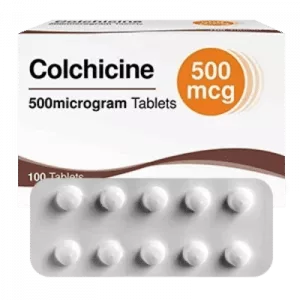
Early gout attacks are also common when urate-lowering treatment starts. They result from mobilised crystal deposits, not from new uric acid damage. A prescriber may use low-dose colchicine or an anti-inflammatory medicine for temporary flare prevention.
The risk of severe allopurinol hypersensitivity is higher in people with kidney impairment and in carriers of the HLA-B*58:01 allele. This allele is more common in some Asian and African ancestry groups. Genetic testing may be considered before starting treatment when clinically appropriate. Regulatory product information identifies severe cutaneous adverse reactions as an important allopurinol risk. [4]
The most frequent mistake is taking Allopurinol only when a painful flare begins. Intermittent use does not maintain a stable urate level and can promote repeated flares.
Other avoidable problems include:
Alcohol binges and dehydration can still precipitate attacks, even in people taking allopurinol consistently. A gradual, sustained approach works better than sudden restrictive diets or aggressive fasting.
In clinical practice, doctors focus less on whether gout pain disappears after a few days and more on whether serum urate remains at target over months. Consistency matters because urate crystals dissolve only when the blood level stays low enough for long enough.
A common clinical error is leaving someone on a low starter dose indefinitely while urate remains above target. Another is increasing the dose too quickly in a person with impaired kidney function. Proper titration balances urate control, kidney function, flare prevention, and tolerability.
Doctors also separate gout treatment into two jobs: controlling active inflammation and lowering the urate level that causes crystals to form. Allopurinol handles the second job. It is not designed to replace anti-inflammatory care during severe acute pain.
Allopurinol lowers uric acid over time and is not an acute pain medicine. A gout flare usually needs anti-inflammatory treatment such as colchicine, a non-steroidal anti-inflammatory drug, or a corticosteroid when clinically appropriate. NICE guidance published in 2022 separates acute flare management from long-term urate-lowering treatment. Continuing established allopurinol during a flare is commonly advised unless a prescriber instructs otherwise. Treatment decisions should still be individualised.
Allopurinol begins reducing uric acid production after treatment starts, yet meaningful crystal dissolution requires persistent control over months. The time needed depends on the baseline urate level, dose, kidney function, and total crystal burden. The American College of Rheumatology guideline from 2020 supports dose titration guided by serial serum urate measurements. Fewer attacks are a useful sign, but blood testing is the clearest way to assess progress.
Yes. Starting urate-lowering treatment can temporarily shift crystal deposits and trigger a flare. This is why clinicians may prescribe short-term colchicine or another anti-inflammatory preventive option during initiation. The FDA prescribing information revised in 2018 describes increased gout attacks early in therapy and advises appropriate management rather than abandoning treatment. The risk usually falls as urate becomes stable.
Alcohol can raise uric acid and trigger gout, especially beer and large amounts of spirits. It can also contribute to dehydration, which increases the chance of crystal formation in susceptible people. WHO health guidance on alcohol from 2023 supports reducing alcohol exposure for health reasons, while gout care adds a specific urate-related reason for moderation. Avoiding binge drinking is more useful than relying on allopurinol to offset it.
It can be used in people with kidney impairment, but the starting dose and later dose increases need careful clinical planning. Kidney function also affects the risk of serious hypersensitivity reactions. EMA product information issued in 2020 advises dose consideration and monitoring in renal impairment. Never use another person’s dose, even if their gout symptoms sound similar.
Stop taking further tablets and seek urgent medical care for a rash with fever, mouth sores, facial swelling, blistering, peeling skin, or eye irritation. These can signal a rare severe hypersensitivity reaction. NAFDAC medicine-safety communication in 2025 continues to emphasise prompt reporting of suspected serious adverse drug reactions. Persistent sore throat, unusual bruising, or jaundice also require prompt assessment.
Your order will be securely packed and shipped within 24 hours. This is exactly what your package will look like (images of an actual item sent). It has the size and look of a regular private letter (24x11x0.7 cm) and its contents cannot be seen.
