

Verified
I used it with dinner and kept my usual metformin. My fasting numbers looked a bit smoother after week three, not dramatic, just less up-and-down. I also noticed I snacked less at night.
22 Jul 2026

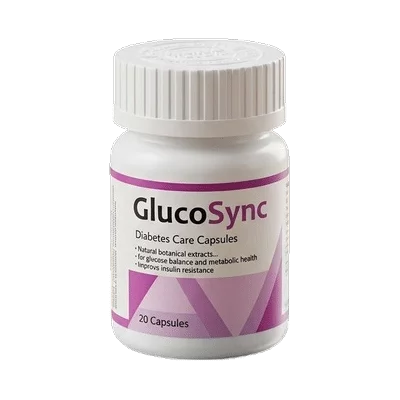
Glucosync is a capsule supplement for adults who want daily support with blood glucose control. It is meant for people managing metabolic health as part of a broader routine. Its main focus is helping improve insulin resistance and support steadier sugar patterns.
Glucosync is a diabetes care supplement in capsule form made with natural botanical extracts. It is intended for adults who want daily support for blood glucose control as part of a broader metabolic plan. Its key focus is improving insulin resistance, a common driver of higher blood sugar and weight gain around the waist.
Triperine is described as a proprietary extract of Ginger, Black Pepper, and Piper Longum. These botanicals are widely used in traditional systems, and in supplement formulation they are often selected to improve digestive tolerance and the uptake of other plant actives.
Take Glucosync capsules with water and build a repeatable daily routine.
A short, practical expectation: you are looking for smoother numbers, not a dramatic overnight drop.
Glucosync is positioned to support blood glucose control and metabolic wellbeing in adults. It is also described as supportive for lipids and triglycerides as part of metabolic health.
Glucosync sits in the “targeted metabolic support” category, while other options often fall into broader groups like Diabetic Supplements (general wellness blends) or Glucose & ORS Drinks (hydration and fast carbohydrate for acute needs).
| Option type | Best fit | What to expect |
|---|---|---|
| Glucosync | Daily support for insulin resistance, Blood Glucose, Lipids, Triglycerides | Gradual trend changes over weeks, strongest when routines are consistent |
| Diabetic Supplements | General micronutrient or herbal support | Effects vary widely by formula and dose |
| Glucose & ORS Drinks | Short-term hydration and carbohydrate replacement | Fast energy and fluids, not a tool for improving insulin resistance |
Glucosync is not a good fit if you are already on insulin or sulfonylureas and you cannot monitor for low blood sugar closely. It also needs extra caution if you are pregnant, breastfeeding, or have kidney, liver, or stomach irritation issues. If you have an allergy to botanical extracts or spices, avoid it.
Watch for low-blood-sugar symptoms if you use insulin or sulfonylureas (sweating, tremor, sudden hunger, dizziness). Alcohol can also increase hypoglycaemia risk in people on glucose-lowering medicines and can raise triglycerides, working against the lipid goals.
Pregnancy and breastfeeding deserve extra caution with botanical blends because safety depends on the exact extract and dose. If you have chronic kidney disease, liver disease, or a history of severe gastrointestinal irritation, keep your monitoring tighter when adding any metabolic supplement.
Taking Glucosync only on “heavy food” days is the classic mistake. Blood glucose control responds to habits across the whole week.
Another frequent issue is stacking: people combine multiple blood sugar products plus a new diet, then feel weak or shaky because their usual diabetes medicine dose is suddenly too much.
Some users chase immediate sensations. Feeling “warm” or “energised” is not a reliable marker that insulin resistance is improving.
Doctors also tend to be strict about “signal vs noise.” If you change your diet, exercise, sleep, and add a new supplement in the same week, you will not know what helped. A calmer, stepwise change gives clearer feedback.
A third real-world point is adherence. Capsules are easy to start, then people forget them after week two; the metabolic markers you care about respond to repetition more than intensity.
Glucosync is a support product for metabolic health and insulin resistance, not a replacement for prescribed therapy. For people with type 2 diabetes, standard care still centres on evidence-based medicines and lifestyle measures that lower complications risk. WHO guidance on diabetes care frames supplements as adjuncts rather than substitutes for core treatment plans . Most prescribers treat add-ons like this as “monitor closely and adjust” tools.
Most people who notice a change describe it as a trend over weeks, not a single-day shift. Blood glucose variability can improve earlier than lipids and triglycerides because lipid markers often reflect longer-term changes in diet and body weight. EMA’s quality and bioequivalence framework explains why absorption and individual variability can influence when a user perceives benefit from an oral formulation . If you track results, aim for a 4–8 week window before judging.
Many adults use blood sugar supplements alongside metformin, insulin, or other antidiabetic drugs, but the key risk is additive glucose lowering. Signs like tremor, sweating, sudden hunger, or dizziness can indicate hypoglycaemia and should trigger closer monitoring and a review of meal timing. NAFDAC’s safety messaging around supplements focuses on responsible use and avoiding unsafe combinations, especially in people on chronic medicines [3]. Clinicians often recommend tighter self-monitoring during the first 1–2 weeks of adding any insulin-sensitivity support product.
Glucosync is positioned to support Lipids and Triglycerides alongside Blood Glucose, which aligns with how insulin resistance often clusters with dyslipidaemia. The strongest lipid improvements still come from weight reduction, reducing alcohol, and improving carbohydrate quality. The American Diabetes Association Standards of Care reinforce lifestyle measures and appropriate medicines as the primary tools for lipid and cardiovascular risk in diabetes, with supplements playing a secondary role [4]. If triglycerides are your main concern, consistency in diet matters more than perfect capsule timing.
Botanical supplements are often well tolerated, yet mild gastrointestinal effects can occur: reflux, stomach warmth, nausea, or loose stool, especially when taken on an empty stomach. Allergic reactions are uncommon but possible with plant extracts; stop use if you develop rash, swelling, or breathing difficulty. The NIH Office of Dietary Supplements explains why botanicals can still cause side effects and interactions even when they are not prescription medicines [5]. If you are sensitive to spicy extracts, taking the capsule after a full meal is the simplest fix.
Avoid Glucosync if you have a known allergy to botanical extracts used in similar products, or if you have a history of severe hypoglycaemia on insulin or sulfonylureas without active medical supervision of your doses. Pregnancy and breastfeeding are also situations where multi-ingredient botanical formulas are often avoided unless specifically approved by the care team. NAFDAC consumer safety communications emphasise caution with supplements in special populations and when taking other medicines. When your medical history is complex, stability and monitoring become part of “using it well.”
