Verified
I used it for a full month and my main change was stamina on stairs. My BP readings looked a bit steadier after week two, but I only trusted the weekly average.
19 Nov 2024

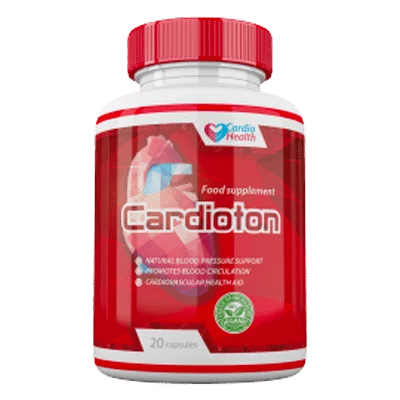
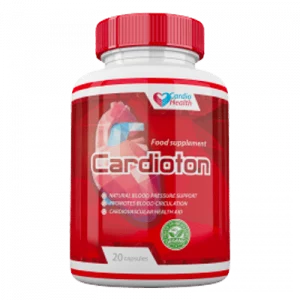
Cardioton is an oral capsule supplement. It is for adults who want extra daily cardiovascular support. It supports heart and arterial fortification by helping blood circulation and heart function.
Cardioton is an oral capsule supplement designed to offer cardiac care and support heart health in adults who want extra daily cardiovascular support. It focuses on heart and arterial fortification by supporting blood circulation and heart function, which can be relevant for people who monitor blood pressure risks and day‑to‑day stamina. Cardioton is used as a supportive product rather than an emergency treatment for chest pain or sudden symptoms.
Cardioton is made of NATURAL INGREDIENT plant components intended to support heart health and circulation. These ingredients are selected to contribute to cardiac care goals such as circulation support, vascular tone support, and stress-related cardiovascular comfort.
Plant-based cardiovascular support ingredients are usually discussed in terms of:
Two quick realities from day-to-day counselling: natural does not mean “interaction-free,” and a multi-ingredient product can be harder to troubleshoot if you develop a rash or stomach upset because you cannot easily identify the single trigger.
Cardioton is an oral capsule supplement designed to offer cardiac care and support heart health in adults who want extra daily cardiovascular support. It focuses on heart and arterial fortification by supporting blood circulation and heart function, which can be relevant for people who monitor blood pressure risks and day‑to‑day stamina.
Some benefits people usually look for include:
Cardioton is commonly chosen by people thinking about Blood Pressure Risks or mild Hypertension support, usually alongside lifestyle changes already known to move the needle (sleep, salt, weight, activity). Cardioton is also presented for Cholesterol Management, aiming to help balance cholesterol levels as part of broader cardiovascular risk management.
Cardioton is a supplement used for cardiac care support. Many people compare it mentally to prescription cardiovascular drugs, yet their roles differ. Prescription Cardiovascular drugs are used to treat diagnosed conditions and reduce hard outcomes (stroke, myocardial infarction, heart failure admissions) in well-defined patient groups, while supportive products focus on comfort, routine, and lifestyle-aligned support.
Below is a practical comparison by category, without brand names.
| Option | Key benefit | Typical use |
|---|---|---|
| Cardioton | Supports heart health and circulation as cardiac care support | Adults aiming for heart and arterial fortification alongside lifestyle actions |
| Prescription antihypertensives (category) | Lowers blood pressure reliably | Diagnosed hypertension, especially with end-organ risk |
| Cardiac glycosides (category) | Increases cardiac contractility and slows AV conduction | Selected heart failure and rate control cases under specialist care |
Key differences that matter:
One more limitation: if you are on complex heart therapy, adding a supplement can complicate symptom interpretation. Palpitations, dizziness, and fatigue can be from the heart condition, the prescription drug dose, sleep debt, or a new add-on.
Avoid Cardioton if you have reacted to herbal/plant extracts before, or if you are pregnant, breastfeeding, or under 18. Do not use it as a substitute for medical evaluation of warning symptoms like chest pain with exertion, fainting, or sudden shortness of breath. If you take prescription heart or blood pressure medicines, add it only with a clear monitoring plan so new dizziness or palpitations are not misattributed and prescribed therapy is not stopped.
Most reported side effects with Cardioton are consistent with sensitivity to plant extracts:
A small drawback is timing sensitivity. Taking a capsule on an empty stomach can suit some people, while others feel queasy and do better with a small snack; the goal is consistency so you can judge effects fairly.
People rarely fail with supplements because of the capsule itself. They fail because of routines.
Common mistakes that reduce results or create avoidable side effects:
This part is blunt: Cardioton supports heart health, yet it is not designed to treat acute cardiac events.
Clinicians usually place Cardioton in the “supportive cardiovascular medication” space rather than in the same lane as prescription Heart Medications. In practice, a cardiologist’s priority is to control risk factors with proven outcome benefits: blood pressure targets, LDL-cholesterol targets, diabetes control, smoking cessation, and exercise capacity. Supplements can sit beside that plan if they do not destabilise it.
What doctors tend to like about supportive products is simple: some patients adhere better to a routine when they feel they are actively supporting their heart health every day. What doctors tend to dislike is substitution, when someone delays evaluation of symptoms like exertional chest pain, fainting, or new swelling.
A common cardiology comment I hear in clinical settings is: “If you are stable, we can talk about add-ons, but first we make sure the core treatment is right.” NAFDAC’s public health messaging also reinforces the basic standard: use health products responsibly, stay within recommended use, and avoid mixing multiple products that claim similar effects without a clear need [3].
Cardioton is described as helping mitigate impacts of Stress Levels on the cardiovascular system by supporting a calmer physiologic state, which can influence perceived palpitations and BP readings. Stress can raise sympathetic tone, increasing heart rate and tightening blood vessels, so calming support may indirectly aid comfort. WHO guidance in 2026 still places stress management beside sleep, physical activity, and diet as pillars of cardiovascular risk reduction . If stress is the main driver, tracking sleep and caffeine intake often shows the fastest wins.
Cardioton is positioned as an ally in managing risk of Arterial Blockages by supporting circulation and arterial health. In clinical terms, arterial blockages are driven by atherosclerosis, which is influenced by LDL-cholesterol, blood pressure, diabetes, and smoking. EMA summaries on cardiovascular prevention emphasise that medicines and lifestyle measures that lower LDL and BP have the strongest evidence for reducing events . Cardioton can fit as supportive care, while core risk-factor control remains the main tool.
Cardioton is discussed in terms of Heart Rhythm Support and Heart Rhythm Control as comfort concepts, such as feeling less “fluttery” during stress or fatigue. It is not a substitute for antiarrhythmic therapy or evaluation of red-flag symptoms like fainting or sustained rapid heartbeat. NAFDAC health education materials in 2026 continue to encourage responsible use of health products and timely medical assessment for persistent symptoms . If you already have a diagnosed arrhythmia, keep your prescribed plan stable.
No—Cardioton is not classified as cardiac glycosides in the pharmacology sense used for medicines like digoxin. Cardiac glycosides are a specific drug class with narrow dosing margins and clinically significant interactions, usually managed with close monitoring. This distinction aligns with standard pharmacology references used in medical education and practice, including Cochrane-reviewed cardiovascular therapy discussions [4]. If you are taking a cardiac glycoside, add-ons should be approached with extra care to avoid confusing side effects with drug toxicity.
With supportive cardiovascular products, people usually notice changes as trends: steadier energy, fewer stress-related palpitations, or improved tolerance for walking and stairs. A fair trial is often a few weeks of consistent use while keeping caffeine, alcohol, and sleep patterns steady. WHO cardiovascular risk guidance updated in 2026 also stresses that benefits from lifestyle-linked changes accumulate over weeks, not days [5]. If nothing changes after a full course, it may mean your main driver is sleep, salt intake, anaemia, thyroid issues, or an untreated BP problem.
Many people do, yet the sensible approach is to monitor BP and symptoms closely when starting anything new that may influence vascular tone. A common real-world problem is dizziness from the combined effect of a BP medicine plus added lifestyle changes plus a new supplement, all started together. EMA information on hypertension therapy supports structured monitoring when regimens change, since hypotension can occur if the net effect is too strong . If your readings drop more than expected or you feel faint, you need an adjustment plan rather than guessing.
Cardioton is positioned for measurable day-to-day outcomes tied to circulation and comfort: less “heavy” feeling with exertion, better tolerance of stress, and more stable perceived heart rhythm during busy days. In real pharmacy practice, people usually judge supplements like this by trend rather than single-day changes, because sleep, hydration, alcohol intake, and salty meals can shift blood pressure and pulse within hours.
Evidence for cardiovascular support ingredients commonly relies on clinical nutrition research and cardiometabolic guidance rather than the type of large endpoint trials used for prescription heart medications. The World Health Organization (WHO) continues to frame hypertension risk reduction around sustained lifestyle actions (salt reduction, weight management, physical activity, smoking cessation) with supplements playing a secondary, supportive role in selected adults [1]. Within that context, Cardioton is described as supporting arterial health, the health and integrity of arteries, and blood circulation functions, with additional emphasis on Heart Rhythm Support and Heart Rhythm Control as comfort goals rather than arrhythmia treatment.
A practical way to track outcomes over a month:
Cardioton is commonly chosen by people thinking about Blood Pressure Risks or mild Hypertension support, usually alongside lifestyle changes already known to move the needle (sleep, salt, weight, activity). Cardioton is also presented for Cholesterol Management, aiming to help balance cholesterol levels as part of broader cardiovascular risk management.
Three points matter in real-world use:
The European Medicines Agency (EMA) keeps a clear line between supportive products and medicines that treat hypertension, dyslipidaemia, and established cardiovascular disease; if you already take prescription cardiovascular drugs, the safest approach is to keep your regimen stable and only add supportive products with a clear routine and monitoring plan [2].
A real limitation: if your BP is already controlled on medication, adding any product that shifts vascular tone may change readings and make it harder to interpret whether your prescription dose is still the right one.
