
Verified
I had used inhalers before but was breathing in too quickly. After a nurse showed me the slow-breath method, I noticed less tightness when walking from the bus stop to work. My mouth felt dry during the first week.
12 Oct 2025

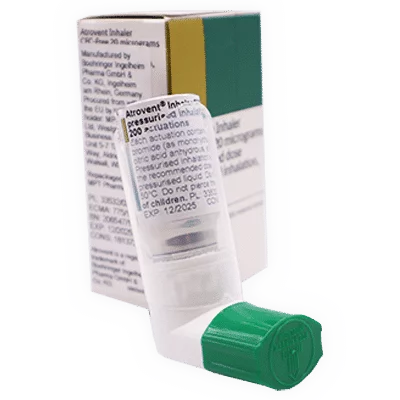
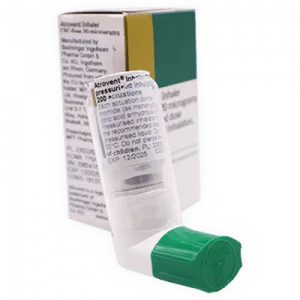
Atrovent is a metered-dose inhaler for people with chronic obstructive pulmonary disease, including chronic bronchitis and emphysema. It helps reduce persistent breathlessness, wheeze, and chest tightness by limiting nerve-driven tightening of airway muscles.
Atrovent is a metered-dose inhaler containing ipratropium, an antimuscarinic bronchodilator. It belongs to the anticholinergic bronchodilator class and is designed for inhalation into the lungs, where it acts locally in the airways.
Atrovent is a metered-dose inhaler containing ipratropium, an antimuscarinic bronchodilator. It belongs to the anticholinergic bronchodilator class and is designed for inhalation into the lungs, where it acts locally in the airways. The pack is marked as containing 200 actuations.
Use Atrovent only at the dose and frequency selected for you by a qualified prescriber. The inhaler should be used consistently, even on days when breathing feels stable, because regular bronchodilation is aimed at preventing avoidable symptoms.
A practical inhaler routine includes:
Fast, shallow inhalation is a common reason people feel that an inhaler is doing very little. The medicine must travel beyond the mouth and throat into the lower airways. A slow, deep breath gives the aerosol more time to reach the lungs.
If a scheduled dose is missed, take the next dose at the usual time. Do not take extra actuations to make up for a missed dose unless a prescriber has given that instruction.
Airways are surrounded by smooth muscle. When acetylcholine attaches to muscarinic receptors on this muscle, the airway can narrow. Atrovent blocks these receptors, reducing that tightening response and allowing the bronchial tubes to stay more open.
This mechanism differs from beta-2 agonist inhalers, which relax airway muscle through adrenergic receptors. The two approaches can be used in the same treatment plan because they act through separate pathways.
Atrovent is commonly used as part of ongoing COPD management. COPD includes chronic bronchitis and emphysema, conditions in which airway inflammation, mucus, and loss of lung elasticity make breathing harder. The FDA describes inhaled ipratropium products as maintenance bronchodilators for bronchospasm associated with COPD. [1]
Atrovent is one part of inhaled COPD care. The best option depends on symptom pattern, exacerbation history, inhaler technique, coexisting conditions, and whether rapid rescue relief is required.
| Treatment approach | How it opens airways | Typical role |
|---|---|---|
| Antimuscarinic inhaler such as Atrovent | Blocks muscarinic nerve signals that tighten bronchial muscle | Regular relief of COPD-related bronchospasm |
| Short-acting beta-2 agonist | Stimulates beta-2 receptors to relax airway muscle | Faster relief of sudden symptoms |
| Long-acting bronchodilator | Provides prolonged airway relaxation through muscarinic or beta-2 pathways | Persistent daily symptoms requiring longer coverage |
Short-acting beta-2 agonists may be preferred when rapid bronchodilation is needed. Atrovent can be useful when cholinergic airway constriction and mucus-related symptoms are part of the problem. Long-acting inhalers are often considered for people whose symptoms remain frequent despite regular short-acting treatment.
For asthma, an antimuscarinic inhaler is usually an add-on rather than the foundation of long-term control. Inhaled corticosteroids remain central for asthma where airway inflammation is present. NICE guidance distinguishes COPD bronchodilator planning from asthma treatment, since the conditions need different long-term strategies. [2]
This medication is not for you if you have had an allergic reaction to ipratropium, atropine-related medicines, or any component of the inhaler. Tell your prescriber if you have narrow-angle glaucoma, urinary retention, bladder-neck obstruction, or prostate enlargement. Also tell them about medicines for overactive bladder, motion sickness, Parkinson’s disease, allergies, sleep, or certain mental-health conditions, because combining anticholinergic medicines can worsen side effects.
Pregnancy and breastfeeding require an individual benefit-risk discussion. Do not stop respiratory treatment without a replacement plan.
Most people tolerate Atrovent without serious problems. The most familiar effects are dry mouth, throat irritation, cough after inhalation, headache, nausea, and an unpleasant taste. Some people notice a dry or scratchy throat during the first days of use.
These symptoms can be less bothersome when the inhaler is used with a slow inhalation technique and the mouth is rinsed with water after use. Rinsing is not required for the medicine to work, but it can improve comfort if the mouth feels dry or the taste lingers.
More serious symptoms need prompt medical assessment:
Paradoxical bronchospasm is rare but important. It means the airways tighten after using an inhaler rather than relax. Stop further doses and seek urgent medical care if breathing suddenly worsens straight after an actuation.
The following errors can reduce the benefit of Atrovent or increase side effects:
One small detail matters: an inhaler can sound as though it is working even when the breathing technique is poor. The sound of the spray is not proof that medicine reached the lungs.
In respiratory practice, clinicians often find that inhaler technique explains more poor outcomes than a change of medicine. A person may report no benefit while releasing the actuation before breathing in, inhaling too quickly, or stopping treatment as soon as symptoms improve. Doctors also look for a pattern. Breathlessness only during strenuous activity has a different meaning from daily breathlessness while dressing, climbing a few steps, or waking at night. Frequent flare-ups, new ankle swelling, fever, chest pain, or coloured sputum can point to problems that an inhaler alone will not solve.
A realistic expectation is gradual improvement in breathing comfort and activity tolerance when Atrovent is used correctly. It does not reverse lung damage from emphysema, and it does not remove the need to address smoking exposure, air pollution, respiratory infections, or other COPD triggers.
Atrovent should not be relied on as the first treatment for a sudden, severe breathing attack. Rapidly worsening breathlessness, inability to speak full sentences, blue lips, confusion, or severe chest tightness requires urgent medical assessment. The FDA's 2012 prescribing information identifies ipratropium inhalers as maintenance treatment for COPD bronchospasm rather than initial treatment of acute episodes. [1]
The bronchodilator effect may begin after inhalation, though the perceived benefit varies with airway obstruction, inhaler technique, and the severity of symptoms. It is more useful to judge response over a consistent treatment period than after a single hurried puff. GOLD’s 2025 COPD strategy advises assessing symptoms, exacerbations, inhaler use, and adherence together when reviewing bronchodilator treatment.
Yes, antimuscarinic bronchodilators may be used alongside other inhaled medicines when a clinician has selected that combination. A short-acting beta-2 agonist and an antimuscarinic inhaler act through different receptors, which can produce additive bronchodilation. NICE COPD guidance, updated in 2024, supports treatment plans tailored to symptom burden and response rather than a one-inhaler approach for every person.
Stop further doses and obtain urgent medical advice if eye pain, marked redness, blurred vision, or halos around lights occur after aerosol reaches the eye. These symptoms can signal an acute glaucoma problem in people who are susceptible. The FDA’s 2012 prescribing information for Atrovent HFA warns against ocular exposure because anticholinergic effects can affect eye pressure.
Dry mouth alone is usually a manageable anticholinergic effect and does not automatically mean treatment must stop. Water, sugar-free gum, and careful inhaler technique can help. The FDA’s 2012 prescribing information describes anticholinergic adverse effects, supporting clinical review when severe symptoms persist.
Atrovent eases airway narrowing but does not repair structural lung damage caused by emphysema or long-standing chronic bronchitis. COPD care also includes avoiding tobacco smoke, reducing exposure to irritants, vaccination where appropriate, physical activity suited to breathing capacity, and a written plan for flare-ups. WHO’s 2024 COPD information describes the disease as progressive, making symptom monitoring and prevention of exacerbations important parts of care.
A change in symptoms should be assessed when breathlessness becomes more frequent, activity becomes harder, sputum changes colour or amount, or wheezing increases despite regular use. NAFDAC’s 2024 guidance on medicine use supports following authorised treatment directions and obtaining professional review when expected benefit is not achieved. Sudden severe symptoms need urgent care rather than repeated unscheduled inhalations.
Your order will be securely packed and shipped within 24 hours. This is exactly what your package will look like (images of an actual item sent). It has the size and look of a regular private letter (24x11x0.7 cm) and its contents cannot be seen.
