Verified
I used the capsules with my main meals and became much more aware of hidden oil in food. The first week was uncomfortable after fried plantain, but once I changed breakfast and reduced sauces, it was manageable.
11 May 2025


Alli is an oral weight-management medicine containing orlistat. It is intended for adults with excess weight who are following a reduced-calorie, lower-fat eating plan. It helps limit the amount of dietary fat absorbed from meals.
Alli is an oral weight-management medicine containing orlistat, supplied as capsules. It is intended for adults with excess weight who are following a reduced-calorie, lower-fat eating plan, and it works by limiting the amount of dietary fat absorbed from meals.
Alli contains orlistat, a lipase inhibitor. Lipases are digestive enzymes released in the stomach and small intestine to break dietary fats into absorbable components. Orlistat blocks part of this enzyme activity, so a portion of fat from food passes through the bowel instead of being absorbed.
The medicine acts inside the digestive tract rather than directly suppressing appetite or stimulating metabolism. This makes it useful for people who want a medicine-led aid alongside realistic food changes and regular movement. The FDA’s consumer information on orlistat describes this local effect as the basis for its use in weight management [1].
Take Alli capsules by mouth with a main meal that contains fat. If a meal is skipped or contains no fat, the capsule is usually omitted because there is no dietary fat for the medicine to act on.
A practical routine includes:
Do not double the next dose after a missed capsule. Taking more does not create faster weight loss and can increase gastrointestinal effects.
Alli attaches to gastric and pancreatic lipases in the gut. These enzymes normally split triglycerides, the main fats in food, into smaller particles that the body can absorb. When lipase activity is blocked, some dietary fat remains undigested and leaves the body in stool.
The effect is local.
Weight loss still depends on energy intake, meal pattern, physical activity, sleep, and consistency. Alli does not cancel out frequent high-calorie meals. It reduces absorption of part of the fat eaten, which is why a balanced lower-fat diet gives more predictable results than a restrictive diet followed by occasional rich meals.
Orlistat differs from appetite-focused medicines because it does not act through brain appetite pathways. It also differs from GLP-1 receptor agonists, which affect appetite, stomach emptying, and blood-glucose regulation. The WHO describes obesity as a chronic, relapsing condition influenced by biological, behavioural, environmental, and social factors, so medicine works best when it supports sustainable daily routines rather than replacing them [2].
Alli is intended for adults with excess weight who are following a reduced-calorie, lower-fat eating plan. It helps limit the amount of dietary fat absorbed from meals.
Alli is one option within a broader weight-management plan. The best approach depends on eating patterns, medical history, medicines already used, and the degree of weight-related health risk.
| Approach | Main action | Key consideration |
|---|---|---|
| Alli containing orlistat | Reduces absorption of part of dietary fat | Bowel effects increase when meals are high in fat |
| GLP-1 receptor agonist medicines | Influence appetite and blood-glucose pathways | Usually require medical assessment and ongoing monitoring |
| Nutrition and activity programme alone | Creates an energy deficit through habits | Requires consistency but avoids medicine-related adverse effects |
Alli may suit people who prefer a medicine with a digestive mechanism and who can commit to lower-fat meals. Its limitation is straightforward: it does not reduce hunger directly. A person who mainly struggles with frequent snacking, sugary drinks, or large portions may need a plan that addresses those behaviours more directly.
NICE guidance on overweight and obesity management supports combining dietary changes, physical activity, behavioural support, and medicine where appropriate rather than relying on a single intervention [3]. The NHS provides related patient guidance on orlistat and lower-fat eating.
Alli is not for you if you have chronic malabsorption syndrome or cholestasis, a condition where bile flow from the liver is blocked. It should also be avoided by anyone with a known allergy to orlistat or any capsule component.
Extra caution is needed in these situations:
Orlistat can reduce absorption of fat-soluble vitamins, including vitamins A, D, E, and K. A multivitamin may be appropriate when it is separated from Alli by several hours, often at bedtime. People using ciclosporin need careful timing and monitoring because reduced absorption can affect treatment levels. Levothyroxine should also be separated from orlistat, since reduced absorption may alter thyroid control. A pharmacist or prescriber can help plan the timing of these medicines and supplements.
Alli may not be suitable if you have a condition that prevents normal fat absorption, blocked bile flow, or an allergy to orlistat. Speak with a pharmacist or prescriber before using it if you are pregnant or breastfeeding, have kidney or thyroid problems, diabetes, epilepsy, or an eating disorder, or take warfarin, ciclosporin, levothyroxine, or other regular medicines.
Most Alli side effects involve the bowel and reflect unabsorbed dietary fat. Meal timing also affects tolerability. They can feel inconvenient, yet they also provide immediate feedback about the fat content of recent meals.
Common effects include:
Fat intake drives these effects.
Some people notice orange or brown oil in the toilet bowl or on underwear. This can be embarrassing, so planning access to a toilet matters when starting treatment or when trying unfamiliar meals. Wearing a panty liner during the first days may help some people feel more comfortable while they learn their food triggers.
Rare but serious concerns include signs of liver injury, severe abdominal pain, persistent vomiting, blood in stool, symptoms of kidney stones, or a severe allergic reaction such as facial swelling, wheeze, or widespread rash. These symptoms need urgent medical assessment.
The European Medicines Agency product information for orlistat includes gastrointestinal effects among the most frequent adverse reactions and also describes rare serious hepatic events [4].
A lower-fat meal does not need to be joyless. Grilled fish, beans, vegetables, fruit, lean meat, whole grains, and measured portions of healthy oils can fit well within a weight-management pattern.
In clinical practice, weight-management clinicians look for a realistic match between the medicine and the person’s eating pattern. Alli tends to work best when someone is prepared to reduce fried foods, rich sauces, pastries, full-fat dairy, and large portions of oily foods.
Doctors also watch expectations closely. Early weight changes can be modest, and the medicine does not produce the same appetite reduction some people expect from injectable weight-loss treatments. It offers a clear behavioural signal instead: high-fat meals are more likely to cause unpleasant bowel effects.
A clinician may reassess the plan when weight is not changing despite regular use and a consistent calorie deficit. The issue may be portion size, sweetened drinks, alcohol intake, low activity, poor sleep, another medicine, or an untreated health condition rather than lack of effort.
Alli can reduce absorption of dietary fat, yet it does not remove calories from sugar, alcohol, large portions, or frequent snacks. The FDA’s 2007 orlistat information frames treatment as an addition to a reduced-calorie, lower-fat diet rather than a replacement for one. Results are usually better when meals are planned and activity is regular. A consistent energy deficit remains necessary.
Alli is used with main meals that contain fat, following the authorised directions for the product. A meal that is skipped or contains no fat generally does not require a capsule. The EMA’s 2024 orlistat product information explains that gastrointestinal effects are linked to unabsorbed dietary fat. Taking more than directed increases inconvenience rather than benefit.
Bowel changes can occur soon after a meal with more fat than the body can comfortably tolerate while using orlistat. The FDA described oily spotting, urgent bowel movements, and gas with discharge in its 2007 consumer information. For many people, symptoms become less disruptive after food choices change. Persistent or severe abdominal symptoms need medical assessment.
Orlistat can reduce absorption of vitamins A, D, E, and K because these vitamins depend on dietary fat for absorption. The EMA’s 2024 product information for orlistat advises attention to adequate vitamin intake during treatment. A multivitamin can be separated from Alli by several hours, often taken at bedtime. People using warfarin need added care because vitamin K changes can affect anticoagulation control.
People with diabetes may use weight-management treatment only with attention to glucose control and their existing medicines. NICE guidance updated in 2025 recognises that obesity management often needs adjustment of wider treatment plans for conditions such as type 2 diabetes. Reduced food intake and weight loss can alter glucose readings. Anyone using insulin or medicines that can cause low blood sugar needs an individual medication review.
Weight-loss medicines are not intended for use during pregnancy. The WHO’s 2022 obesity report supports weight management before conception and through healthy lifestyle care, while pregnancy itself requires a separate nutritional approach focused on maternal and fetal health. Breastfeeding also requires caution because medicine and nutrient needs must be assessed individually. Pregnancy should not be treated as a time for intentional pharmacological weight loss.
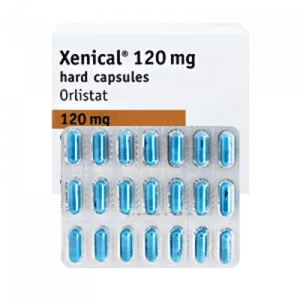
Your order will be securely packed and shipped within 24 hours. This is exactly what your package will look like (images of an actual item sent). It has the size and look of a regular private letter (24x11x0.7 cm) and its contents cannot be seen.