Verified
I took 1 tablet morning and night with food. By week 3, I noticed fewer painful pimples on my jawline, and the small bumps reduced. My skin still got oily, but the redness went down.
19 Jun 2025

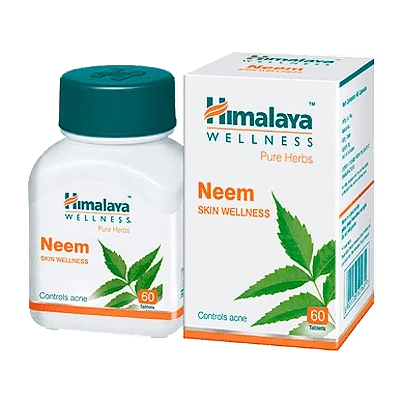
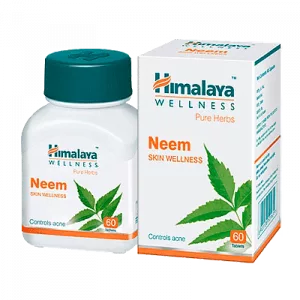
Neem is an oral herbal supplement containing Azadirachta indica leaf. It is for adults with oily, acne-prone skin or recurring breakouts. It supports clearer skin through plant-based antimicrobial and anti-inflammatory activity.
Neem, made from the leaves of the Neem tree (Azadirachta indica), is an oral herbal supplement used to support clearer skin. It is mainly chosen by adults who struggle with oily skin, acne-prone skin, or recurring breakouts. Its key action is supporting the skin through plant-based antimicrobial and anti-inflammatory activity linked to Azadirachta indica compounds.
From a pharmacist’s standpoint, the appeal is simple: Neem is often used when skin concerns seem to flare with stress, diet changes, or hormonal cycles, and people want a plant-based option that supports skin comfort from the inside.
Neem is a supplement, not an antibiotic. Results are usually gradual.
Neem tablets in this product contain Azadirachta indica (neem leaf) as the active ingredient.
The dose strength available on this page is 250 mg per tablet.
Use Neem as an oral tablet:
If you tend to forget doses, link it to habits you already do.
Neem is commonly used to support:
People also use Neem during periods when their skin tends to flare: stress, heat, or dietary changes.
| Option | How it’s used | Best fit |
|---|---|---|
| Neem (Azadirachta indica) tablets | Oral supplement taken daily | Acne-prone skin with an inflammation component |
| Standard topical acne care (benzoyl peroxide/retinoids) | Applied to skin in routines | Comedones, blackheads, ongoing maintenance |
| Prescription acne therapy (oral antibiotics, isotretinoin) | Medical treatment plan | Moderate-to-severe acne, scarring risk |
Neem can support a routine, yet it is rarely the only step that clears persistent acne. When acne is severe, clinicians usually prioritise prescription options, then add supportive measures for maintenance.
Do not use this product if you have ever reacted to neem or similar plant products.
Avoid Neem if you are pregnant, breastfeeding, or actively trying to conceive, because safety data in pregnancy is limited.
Be extra cautious if you have a history of severe allergies or asthma, since herbal products can sometimes trigger sensitivity.
Most people tolerate Neem well, yet side effects can happen. Reported effects include:
Seek urgent help if you develop facial swelling, wheezing, or trouble breathing after taking it.
A realistic downside: bitterness-related nausea can be the deal-breaker for some users, even when the skin benefit is good.
These are the mistakes I see most often with Neem:
One more practical point: if your acne is actually fungal folliculitis, neem may do little, and the right treatment is different.
In clinical practice, clinicians tend to view Neem as a supportive option for mild-to-moderate acne where inflammation is a big driver, and where the person wants an oral herbal routine alongside good cleansing and non-comedogenic moisturising. Dermatology clinics also see a familiar pattern: supplements can help with consistency, but they do not replace targeted therapies for severe nodulocystic acne, folliculitis, or acne with scarring risk.
Doctors also watch for one issue: people combine multiple bitter herbal products at once and then blame “the supplement” for nausea. Starting one product at a time gives a cleaner signal and fewer stomach complaints.
Some clinicians advise stopping Neem during active attempts to conceive because of limited safety data in pregnancy, a precaution echoed across many herbal products when human pregnancy data is sparse.
Yes—taking Neem with or after meals is often better tolerated and may reduce nausea or cramps. People with sensitive stomachs often do best after a full meal rather than with a small snack. If you also drink coffee in the morning, separating Neem from strong coffee can help reduce queasiness. This practical approach matches general supplement tolerability advice referenced in WHO discussions on herbal medicine use [4].
If you miss a dose, take the next scheduled dose at your usual time and keep your routine steady. Taking extra tablets to “catch up” tends to trigger stomach upset without improving skin results. Missed doses mainly slow progress, they don’t cancel it. In 2026, EMA publications on traditional herbal products still emphasise consistent, appropriate use for symptom support .
Yes. Allergic reactions are uncommon but possible with any plant-based product, including Azadirachta indica. Watch for rash, itching, swelling of the lips/face, or breathing difficulty after starting Neem. If symptoms escalate quickly, treat it as urgent. Nigerian consumers should also be aware that NAFDAC advises reporting suspected adverse reactions to healthcare channels for pharmacovigilance [5].
Neem is not recommended during pregnancy or lactation for this product. The main reason is safety uncertainty and the standard precaution applied to many botanicals when human reproductive data is limited. If you are trying to conceive, it’s reasonable to pause Neem and focus on topical acne measures with clearer pregnancy profiles. This cautious position aligns with the way WHO frames safety boundaries around herbal medicines when evidence is incomplete .
Neem may help reduce new inflamed spots, which can indirectly reduce new post-inflammatory marks. It does not directly “bleach” or erase hyperpigmentation. For dark marks, daily sunscreen and proven topical actives (like azelaic acid or retinoids) are usually more relevant than herbal supplements alone. In 2026 dermatology guidance discussions continue to separate acne control from hyperpigmentation management as two related but different targets.
Your order will be securely packed and shipped within 24 hours. This is exactly what your package will look like (images of an actual item sent). It has the size and look of a regular private letter (24x11x0.7 cm) and its contents cannot be seen.
