Verified
My fasting sugar came down after a couple of weeks and I lost a small amount of weight. The first week I used the toilet more and felt thirsty, so I started taking it in the morning and drank more water.
9 Feb 2025


Forxiga is an oral tablet containing dapagliflozin, an SGLT2 inhibitor. It is for adults with type 2 diabetes and selected patients with chronic heart failure or chronic kidney disease. It lowers blood sugar by helping the kidneys remove excess glucose in urine.
Forxiga is a once-daily tablet medicine that contains Dapagliflozin. Dapagliflozin is an SGLT2 inhibitor, a class used to improve blood sugar control in type 2 diabetes.
Beyond glucose control, many clinicians also use Forxiga as part of guideline-based care in selected adults with chronic heart failure and chronic kidney disease, because SGLT2 inhibitors can support heart and kidney outcomes in the right patient. [2]
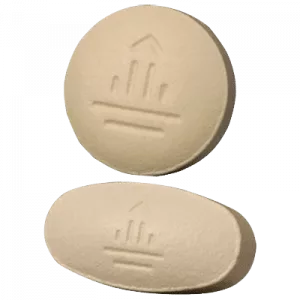
Active ingredient: dapagliflozin (as dapagliflozin propanediol monohydrate). Forxiga is supplied as film-coated oral tablets, commonly in strengths of 5 mg and 10 mg dapagliflozin, with standard tablet excipients forming the core and coating.
Forxiga is taken by mouth, with or without food. The standard adult dose used for many indications is 10 mg once daily, taken at about the same time each day.
Practical administration points that matter in real life:
Do not double doses. Routine matters.
Forxiga is a medicine used to manage type 2 diabetes by helping to lower blood sugar levels. It is for adults who need better glucose control, and it is also used in chronic heart failure and chronic kidney disease in suitable patients.
Forxiga can be used alone or combined with other diabetes medicines, and combinations are common in practice. The key interaction theme is additive glucose-lowering or additive fluid loss.
Interactions clinicians actively plan for
For alternatives, the choice depends on your goals: glucose lowering, weight, kidney protection, heart protection, and tolerance. Here is a simple comparison patients usually understand quickly:
| Option | How it works | Common issues |
|---|---|---|
| Forxiga (dapagliflozin) | SGLT2 inhibitor; increases glucose excretion in urine | Thrush/UTIs, thirst, dehydration; rare DKA risk |
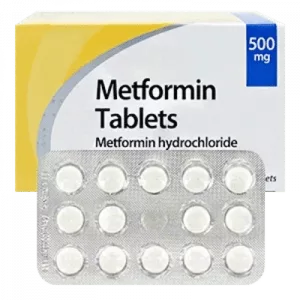
| Metformin | Reduces liver glucose output; improves insulin sensitivity | Stomach upset; not suitable in some kidney/lactic acidosis risk settings |
| Sitagliptin | DPP-4 inhibitor; increases incretin effect | Generally well tolerated; modest glucose effect for many people |
When a sulfonylurea is part of the plan, it can lower glucose strongly, yet it carries more hypoglycaemia risk than Forxiga for many patients. This trade-off is one reason prescribers often move toward SGLT2 inhibitors or other modern agents when appropriate. [3]
Forxiga may not be suitable if you:
Most side effects relate to how Forxiga increases glucose in urine and slightly increases fluid loss. Many people tolerate it well, yet the same mechanism can cause predictable issues that are easier to manage when you know what to look for.
Common side effects
Less common but serious side effects needing urgent medical assessment
One nuance I see often: symptoms of a genital yeast infection can start as simple itching and irritation, not always obvious discharge. Treating early tends to reduce downtime and recurrence.
A lot of Forxiga “failures” are avoidable and come down to small habits.
In clinical practice, doctors often choose Forxiga when type 2 diabetes overlaps with heart failure or chronic kidney disease, because a single medicine can support several outcomes at once. The trade-off is that the benefits come with “mechanism-based” side effects: more glucose in urine means more genital yeast infections and a higher chance of urinary symptoms in susceptible people.
Forxiga is manufactured by AstraZeneca. In practice, the brand name matters for identification, but the therapeutic effect is driven by Dapagliflozin as the active ingredient. Regulatory evaluation of dapagliflozin’s benefits and risks is covered in public assessment documents. [4]
Forxiga is not recommended for type 1 diabetes because SGLT2 inhibitors increase the risk of diabetic ketoacidosis in this group. People with type 1 diabetes can develop DKA with less dramatic glucose elevation than expected, which can delay recognition. [5]
Glucose-lowering begins soon after regular daily dosing starts, since the kidney transporter is inhibited each day the medicine is taken. Many patients first notice a pattern of lower readings within the first 1–2 weeks, while HbA1c improvements are assessed over a longer period.
On its own, Forxiga has a low tendency to cause hypoglycaemia because it does not directly push insulin release. The risk rises when it is combined with insulin or a sulfonylurea, because those medicines can drive glucose too low. If hypos start after adding Forxiga, dose adjustment of the other agent is a common fix.
Forxiga increases glucose excretion in urine, and glucose can promote yeast growth around the genital area in susceptible people. UTIs can also occur, though many urinary symptoms are mild and treatable when addressed early. Recurrent infections deserve a prescriber review to weigh benefits against tolerance.
Forxiga can be used in chronic kidney disease in selected patients, yet kidney function also sets limits for safe use. Severe renal impairment (creatinine clearance below 25 mL/min) is a contraindication in the product information you should be prescribed against. Kidney function monitoring is part of safe long-term therapy planning.
Your order will be securely packed and shipped within 24 hours. This is exactly what your package will look like (images of an actual item sent). It has the size and look of a regular private letter (24x11x0.7 cm) and its contents cannot be seen.