Verified
I used it after breakfast and dinner. By week three my chest felt less ‘tight’ during evening walks, and my BP readings were a bit steadier. Mild gas at the start, then it settled.
21 May 2025

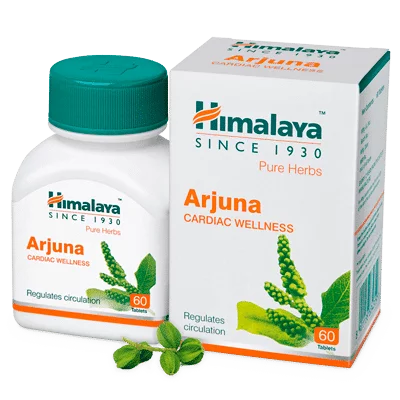
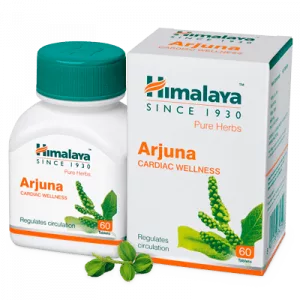
Arjuna is an herbal dietary supplement made from Terminalia arjuna bark. It is for adults who want extra cardiovascular and circulation support. Its plant compounds help support vessel tone and coronary blood flow.
Arjuna (Terminalia arjuna) bark extract in pill form. Plant constituents may include polyphenols (e.g., flavonoids and tannins), triterpenoids (e.g., arjunolic-type acids), saponins, and phytosterols; excipients vary by manufacturer.
People often ask how long to try it. For heart-wellness supplements, a practical trial is often measured in weeks, not days, because lipid and blood pressure patterns change slowly.
Arjuna (Terminalia arjuna) is best known for cardiovascular support. In practice, it is used to help maintain healthy coronary circulation, support the heart muscle, and contribute to healthier lipid patterns, which matters for long-term vessel health. Some people also use it as part of a plan to support blood pressure, especially when paired with lifestyle steps like salt reduction, sleep, and regular walking.
The main upside is its multi-target “support” profile: circulation, vessel health, and oxidative stress all matter in heart wellness. A real limitation is that supplements do not replace guideline-based therapy for diagnosed hypertension, angina, heart failure, or high LDL cholesterol; if you have those conditions, Arjuna is usually an add-on, not the core treatment. [2]
Two quick expectations to set: results are gradual, and benefits are easier to notice when you track a simple metric like home blood pressure or a repeat lipid panel over time.
Do not use Arjuna if you are allergic to it, or if you are under 14 years.
Avoid starting it on your own if you are pregnant or breastfeeding, and only use it if your clinician agrees.
Use extra caution if you have diabetes or already manage blood pressure with lifestyle or medicines, because adding multiple BP-lowering supports can make you feel light-headed.
If you take blood pressure medicines, antiplatelets, or anticoagulants, introduce Arjuna carefully and watch for easy bruising, unusual bleeding, or increased dizziness.
Arjuna is usually well tolerated at recommended amounts, yet side effects can occur. At higher doses, people may experience drowsiness, dizziness, or confusion, and some report digestive upset such as abdominal pain, nausea, gas, or diarrhoea. Skin rashes can also occur in sensitive users.
Stop use if you develop a rash that spreads, severe dizziness, or persistent stomach upset. People also under-estimate how much “extra lowering” can happen when they combine several BP-lowering supports at once; if you already use antihypertensive medicines, monitor your readings so you do not drift into light-headedness.
A few mistakes come up again and again:
In clinical practice, clinicians who are open to evidence-informed herbal supports tend to place Arjuna in the “adjunct” bucket: a supportive option for adults who want cardiovascular wellness support, while keeping standard treatments central when a diagnosis exists. Doctors also watch for two early issues: mild hypotension symptoms (light-headedness on standing) and GI intolerance during the first week, which often settles when taken after food.
A second pattern: people with diabetes sometimes add heart-focused supplements and then make multiple diet changes at the same time; clinicians prefer a stepwise approach so glucose trends remain interpretable. The third theme is medication reconciliation—patients forget to mention supplements, and that is where avoidable interactions can hide. [3]
Arjuna is used as a herbal dietary supplement centred on Terminalia arjuna, taken to support heart wellness rather than to serve as a standalone treatment for disease. Regulatory framing for supplements differs from prescription medicines, including how claims are evaluated. For Nigeria, NAFDAC sets the national framework for regulated products and labelling expectations (2026).
Terminalia arjuna contains plant compounds studied for effects linked to vascular tone, antioxidant activity, and support of healthy lipid patterns, which are all relevant to cardiovascular wellness. The clinical takeaway is supportive care: it may help maintain circulation and heart muscle resilience when combined with lifestyle and medical care. WHO discussions of traditional medicine (2025) describe how botanicals are used as adjuncts in health systems, with emphasis on quality and appropriate use.
The dosing on this page is 1–2 tablets twice daily with water, taken after meals. People who feel sleepy or dizzy early on often do better by avoiding the first dose right before driving or operating machinery until they know their response. EMA safety communication principles (2026) around pharmacovigilance apply broadly: track adverse effects, stop if they escalate, and report them through appropriate channels.
Some people notice changes in exercise tolerance or “heavy chest” sensations within a few weeks, while cholesterol and blood pressure trends usually take longer to shift. The most practical approach is measurement: home BP logs and scheduled lipid checks make the change visible. FDA supplement guidance (2026) also stresses that supplements are not evaluated like medicines for rapid symptom control, so expectations should be measured.
Avoid Arjuna if you are allergic to its components or if you are under 14 years. Pregnancy and breastfeeding require clinician sign-off, and people with diabetes or hypertension should use added caution because changes in routines can alter medicine requirements. NAFDAC’s 2026 safety expectations align with the principle that vulnerable groups need clearer risk assessment before adding supplements.
Your order will be securely packed and shipped within 24 hours. This is exactly what your package will look like (images of an actual item sent). It has the size and look of a regular private letter (24x11x0.7 cm) and its contents cannot be seen.
In the wider supplement space, Arjuna can appear as Arjuna Powder, Arjuna Extract, and capsule-style formats, including listings like Organic Arjuna Powder (Terminalia arjuna) (bark). Those forms differ mainly by concentration and how they are used day to day.
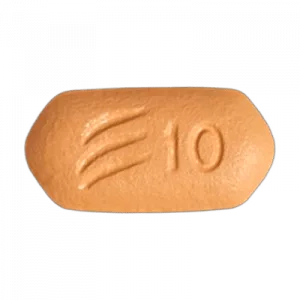
For this specific product page, Arjuna is provided as pills (tablets). Tablets are convenient for consistent dosing and for people who dislike the taste of bark preparations.
Arjuna Powder is often described as suitable for powder blends, beverages, or being put into capsules, because it disperses into liquids and mixes into food more easily than tablets. Arjuna Extract usually means a more concentrated preparation, which can be useful for people aiming to keep the serving size small, though tolerance varies.
Arjuna Powder is often described as a fine, brown powdered bark with a naturally earthy and woody aroma. The classic “bark” smell can be strong in hot beverages, and some people find it easier to take as capsules or mixed into thicker foods.
Organic Arjuna Powder (Terminalia arjuna) (bark) is essentially ground bark material. Its composition is plant-derived and naturally variable, which is one reason some users prefer tablets for routine use and powders for flexible blending.
